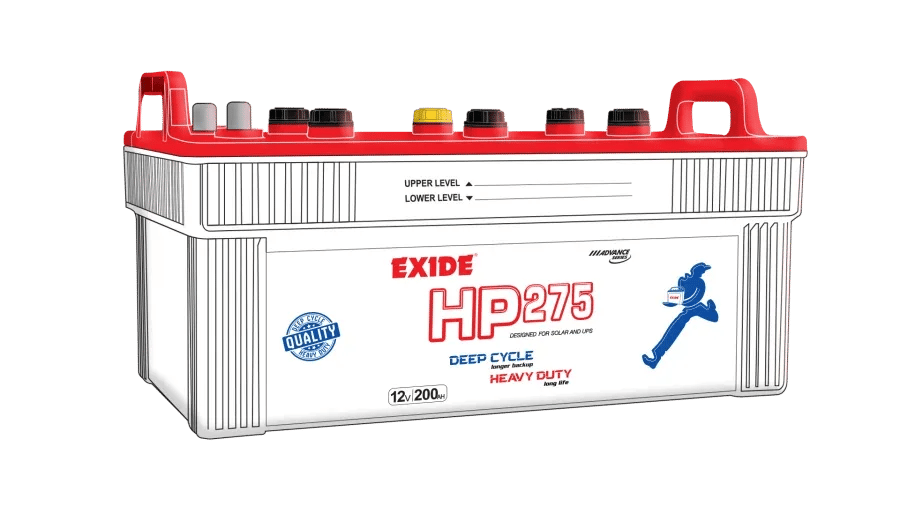
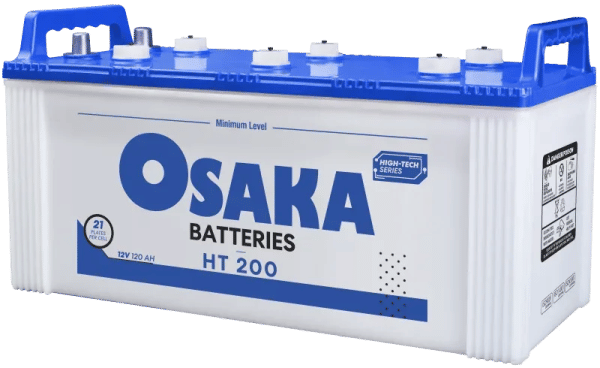
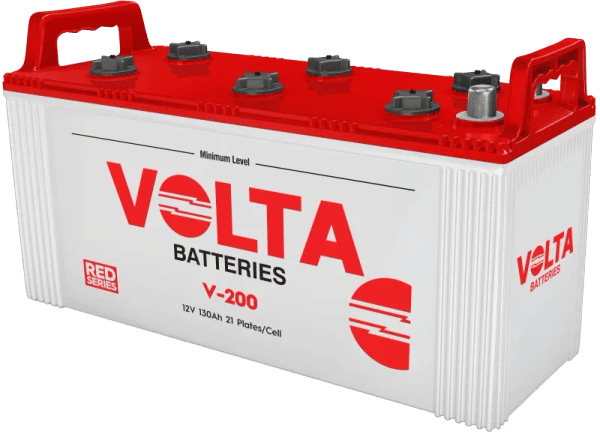
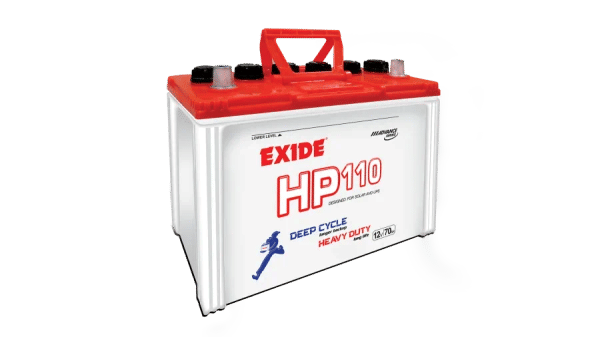
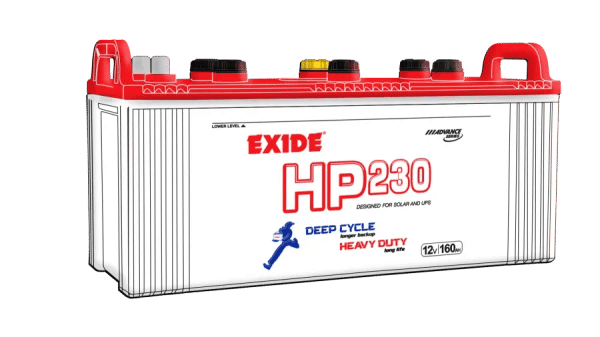
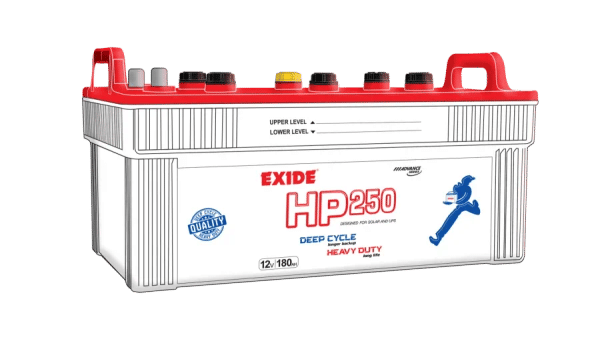
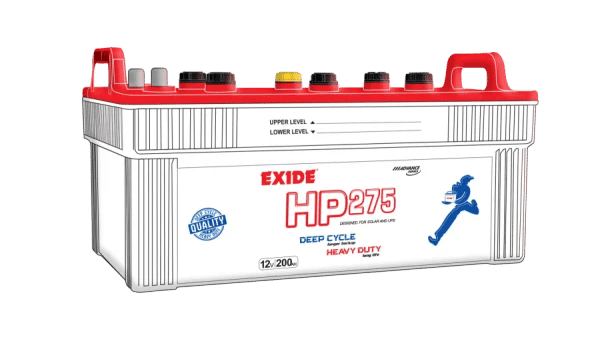
Match the capacity (Ah) and the box size
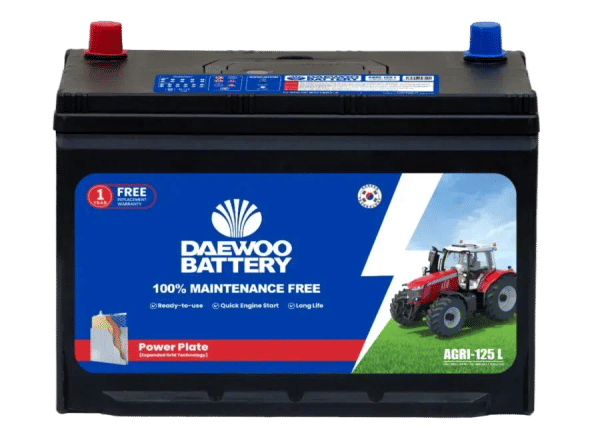
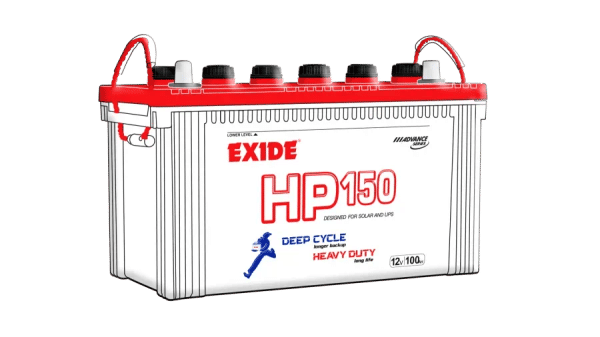
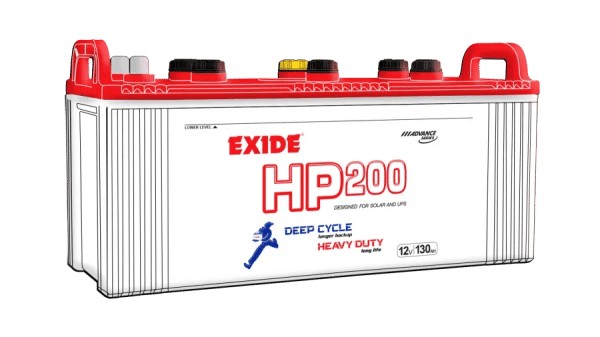
A tractor's battery has to start a large diesel engine, often in cold mornings or after weeks standing. Start from the capacity your tractor's maker specifies, written on the old battery or in the manual. Most 50–85 hp tractors sold in Pakistan take a 12 V battery of about 100 to 130 Ah.
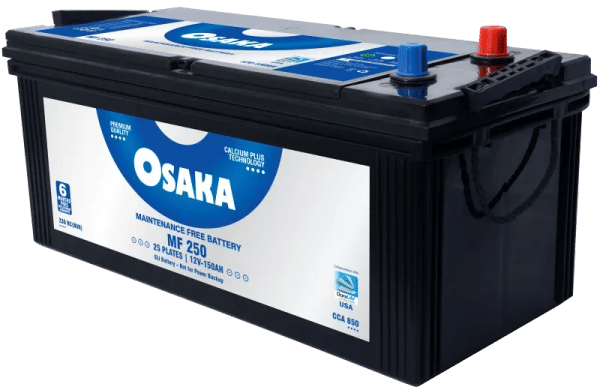
Capacity is only half the match. The battery must also fit the tray and the cables, so check the box size (for example N100, N120, or the 6LT box Ford 3600 and 4000 tractors use) and which side the positive terminal is on.
Plates, cranking power and battery types
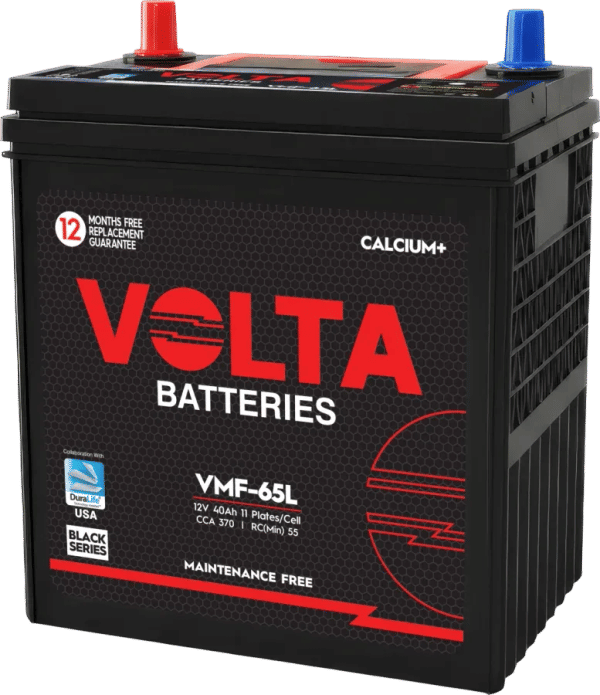
More plates per cell generally means more starting current and a longer life, so between two batteries of the same Ah, the one with more plates usually cranks better. Where the maker quotes cold cranking amps (CCA), a higher figure helps a diesel engine start in winter.
- Dry charged: sold without acid; the dealer fills and charges it at the time of sale, so it is always fresh. It needs its water level checked and topped up with distilled water.
- Lead acid: conventional filled battery with caps for topping up; the usual choice for tractors.
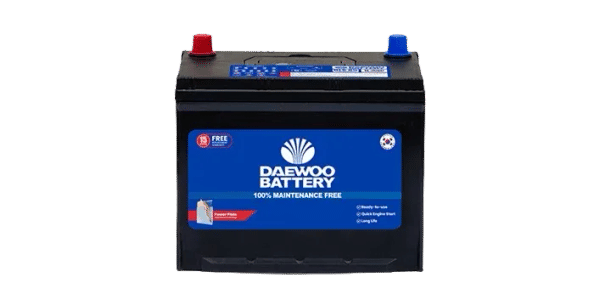
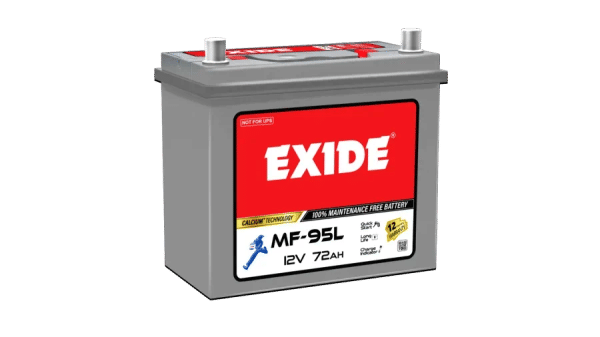
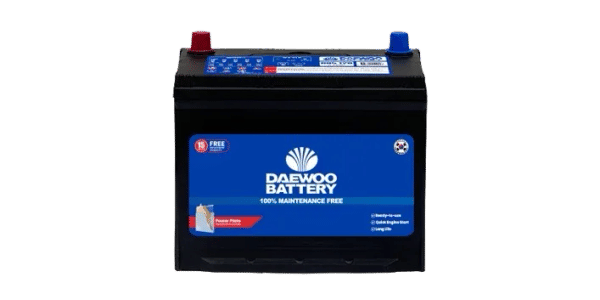
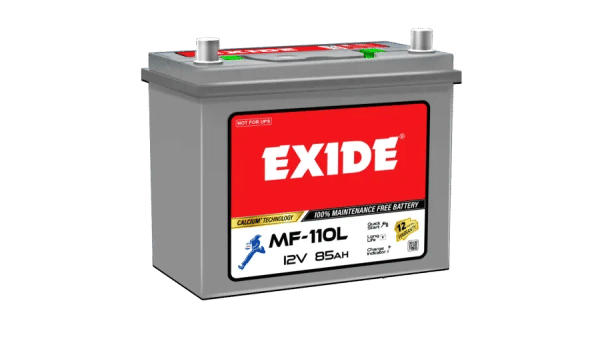
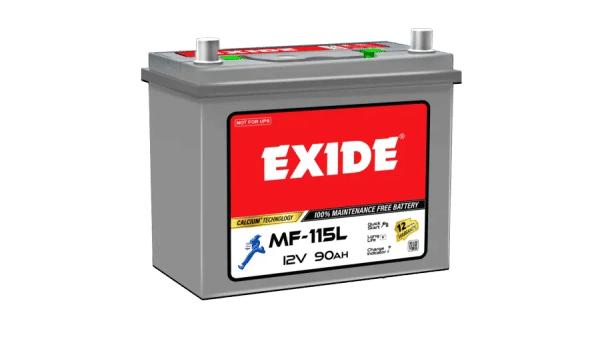
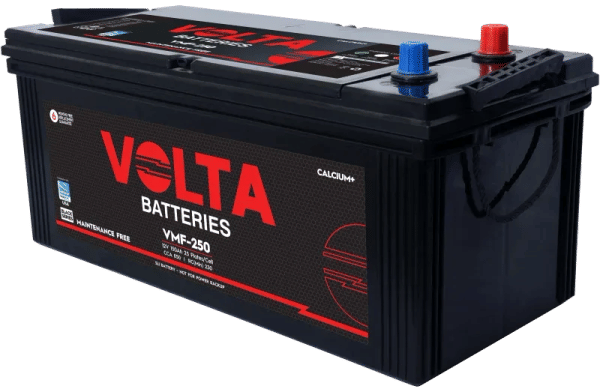
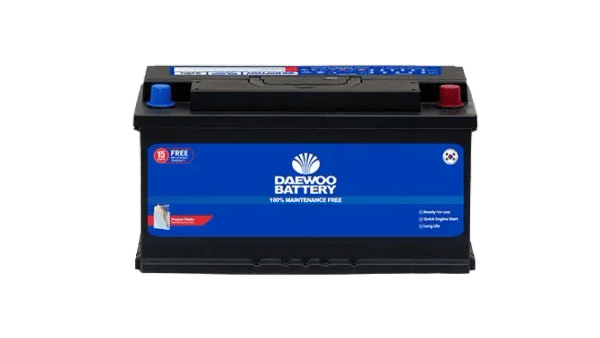
- Maintenance free: sealed, never needs water and suits machines that stand idle, but usually costs more for the same Ah.
Make your battery last longer
- Check the water level every month in summer and top up only with distilled water, never tap water.
- Keep the terminals clean and tight, and smear them with petroleum jelly to stop corrosion.
- Do not crank for more than 10–15 seconds at a time; let the battery rest a minute between tries.
- Have the alternator checked if the battery keeps running down: a healthy charging system shows about 13.8–14.4 V with the engine running.
- When the tractor stands unused between seasons, disconnect the negative cable or give the battery a top-up charge every month.
- Replace the battery when starting gets slow, the case swells, or it needs water far more often than before. Most tractor batteries last two to four years.