Reading a tractor tyre size
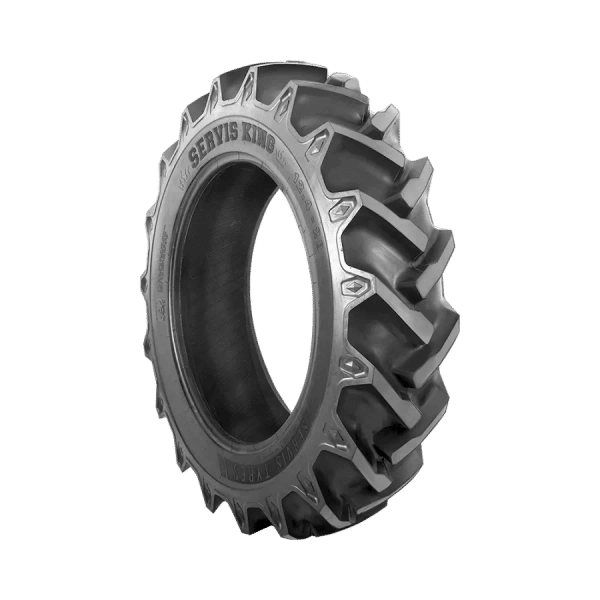
The size is moulded on the sidewall. In 18.4-30, the first number is the tyre's width in inches and the second is the rim diameter in inches. Some makers write the same tyre as 18.4/15-30, adding an older width code: 18.4-30 and 18.4/15-30 are the same tyre, as are 12.4-28 and 12.4/11-28.
Metric sizes such as 12.0/75-18, common on combine harvesters, give the width, then the height of the sidewall as a percentage of the width, then the rim. An R in place of the dash (23.1R30) means a radial tyre.
Front and rear tyres do different jobs
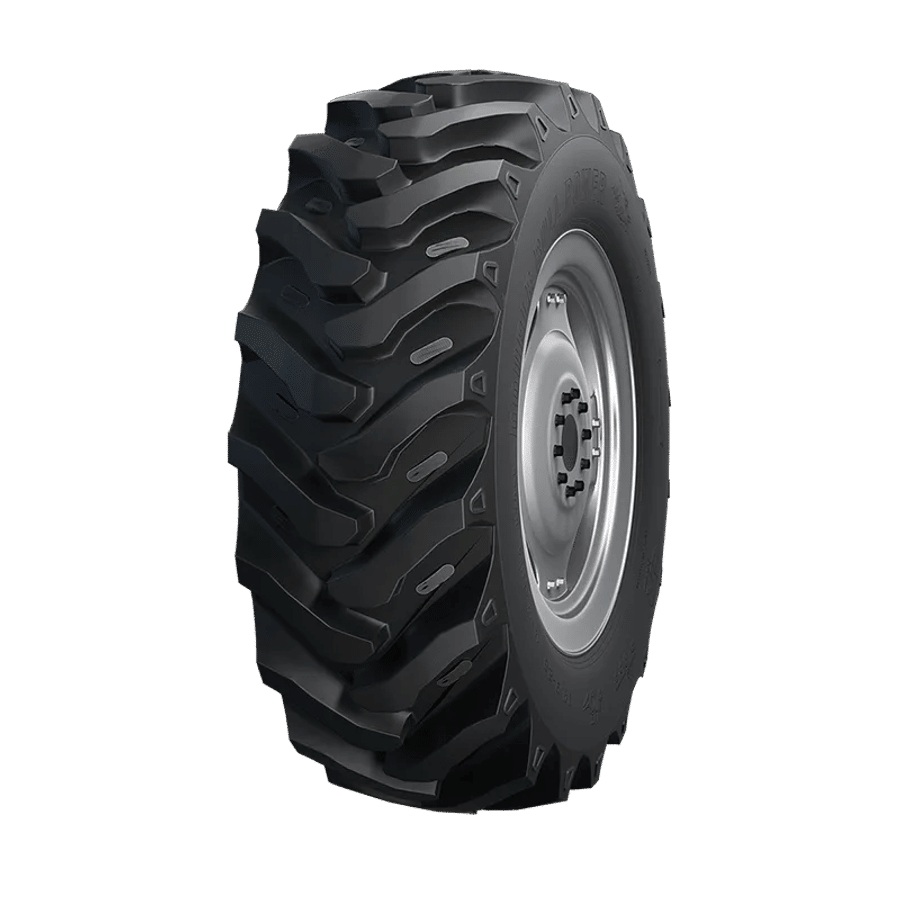
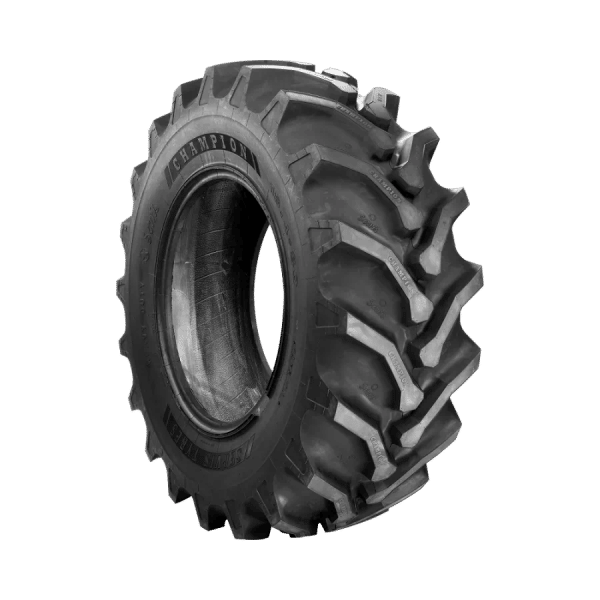
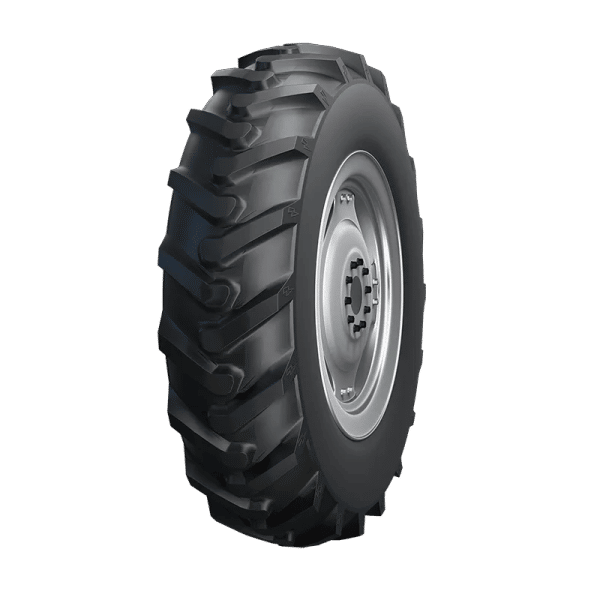
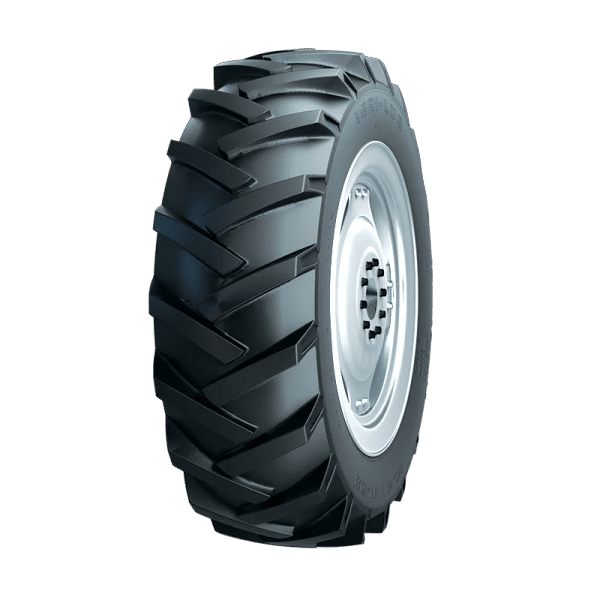
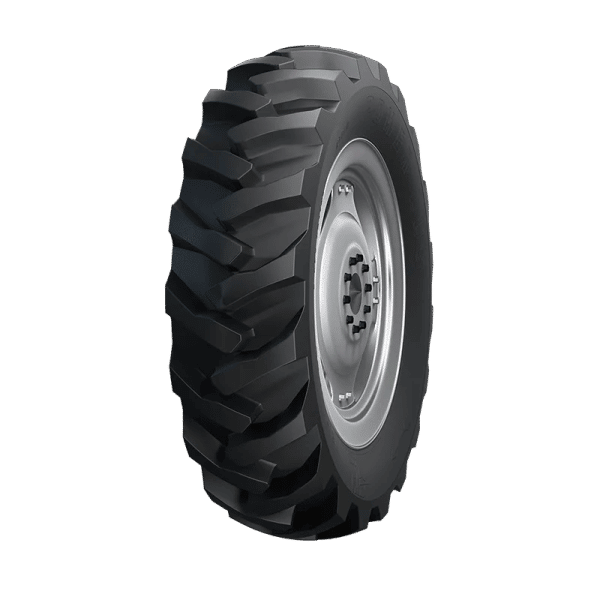
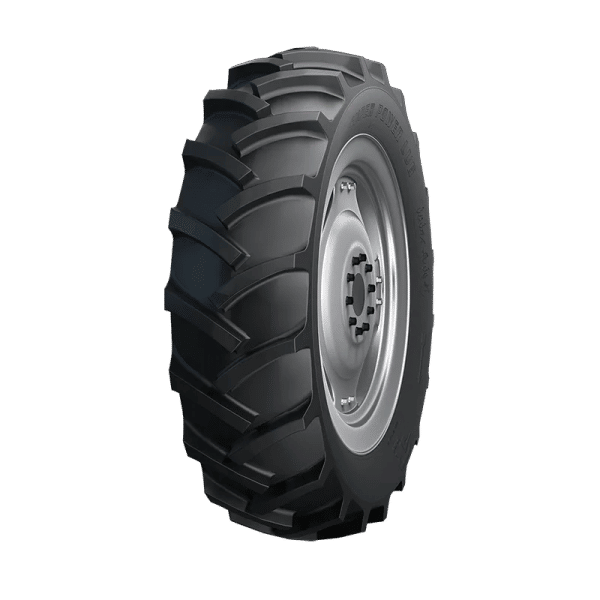
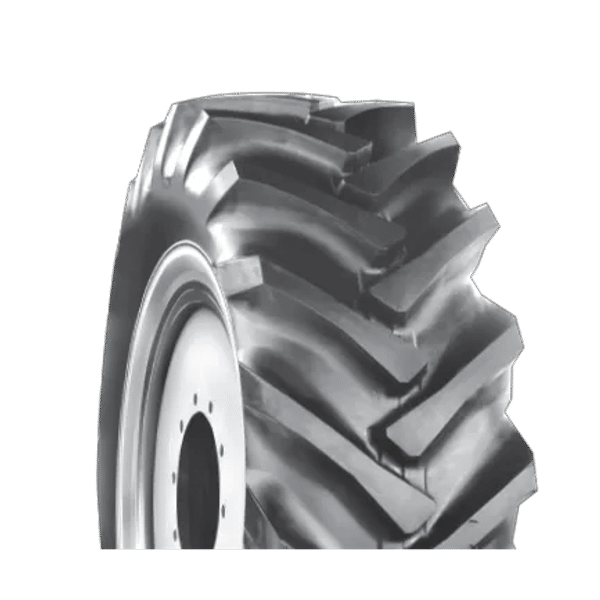
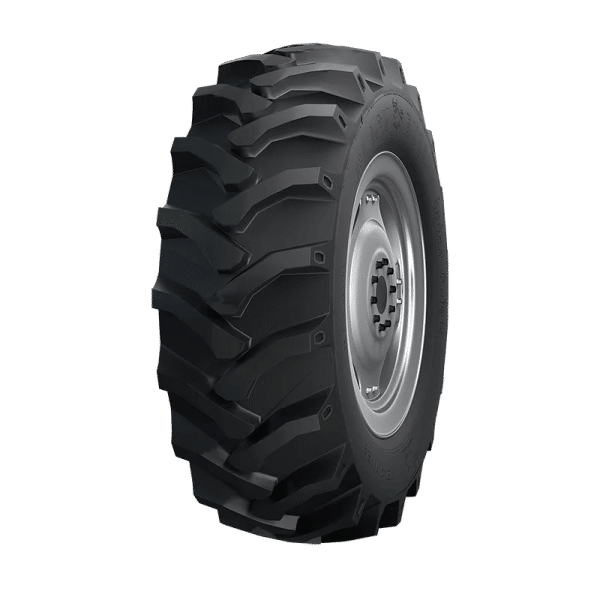
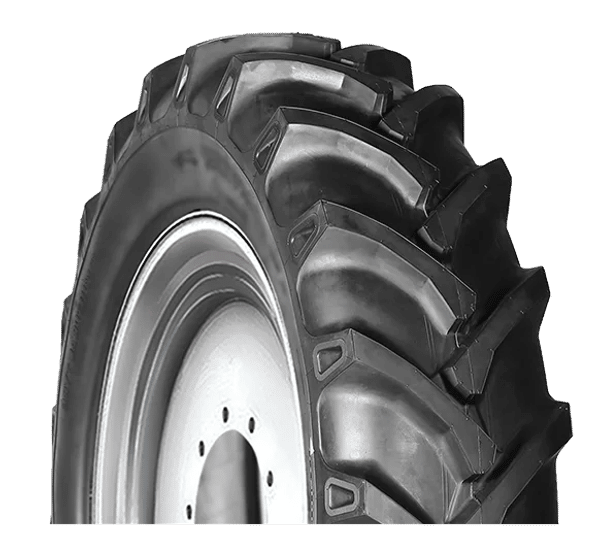
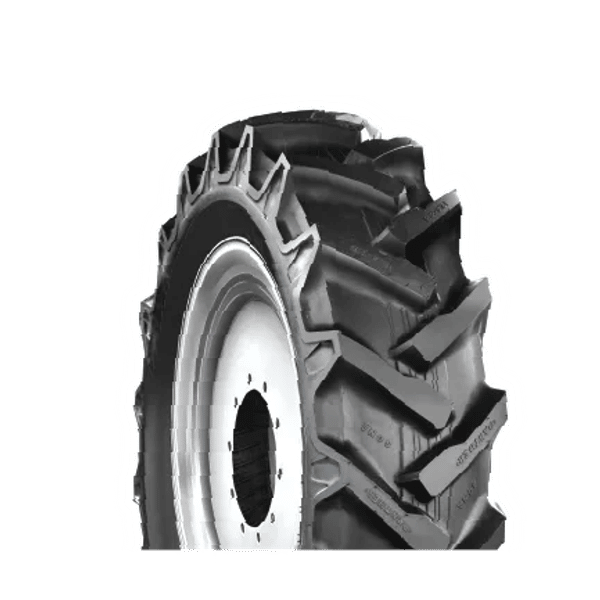
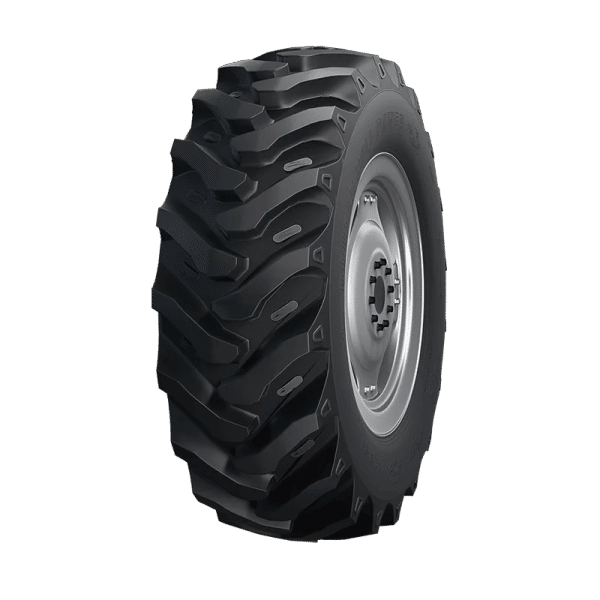
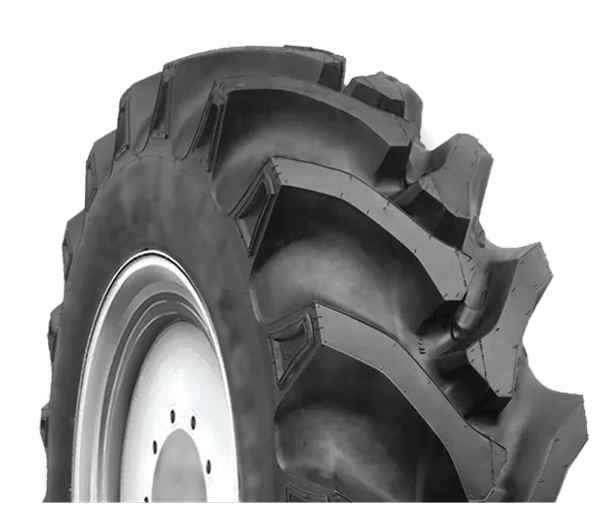
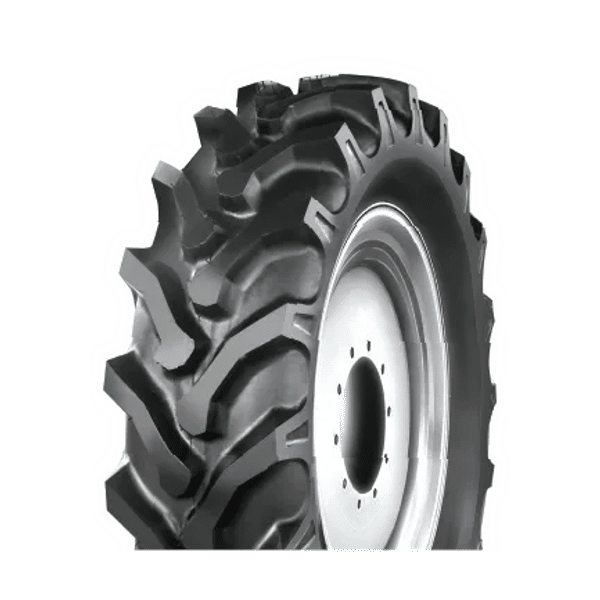
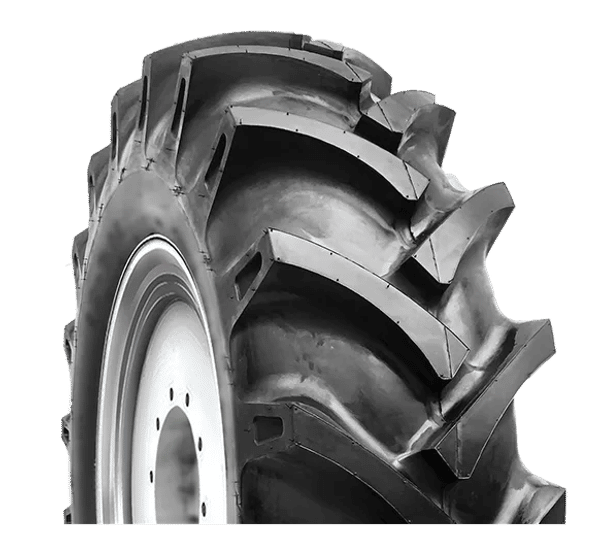
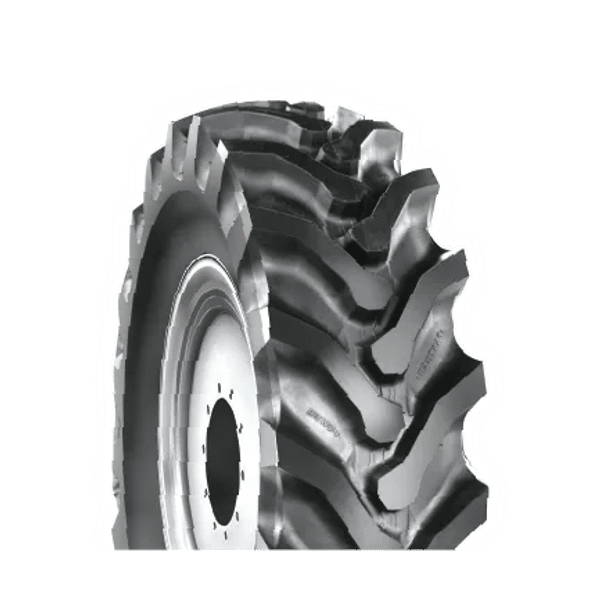
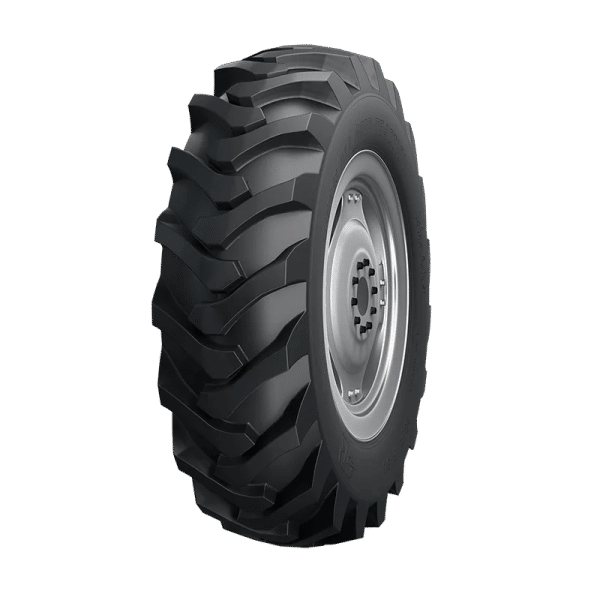
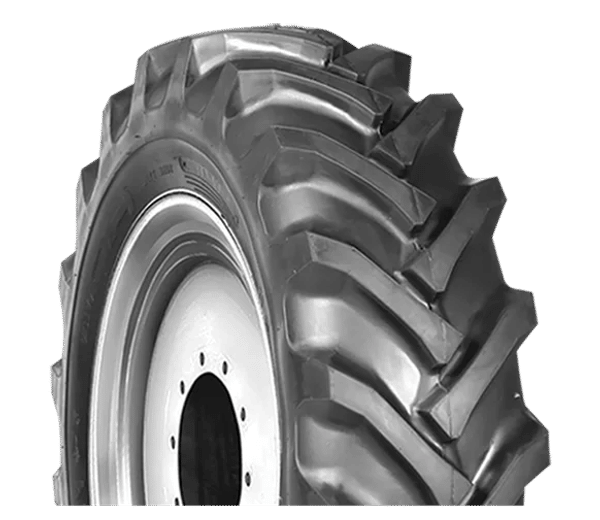
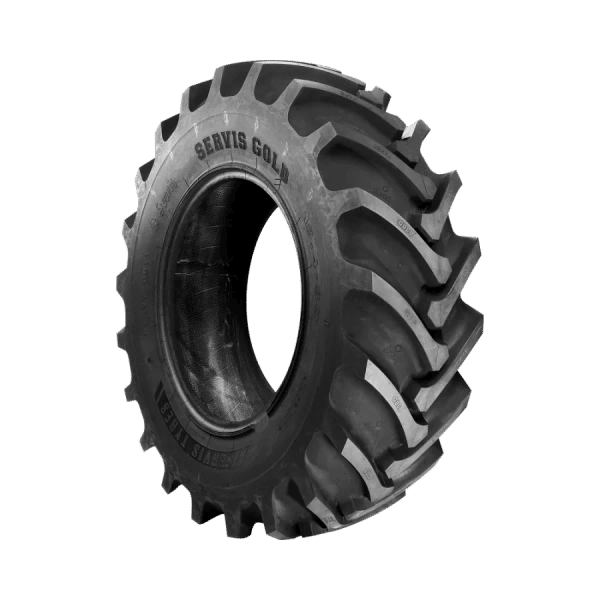
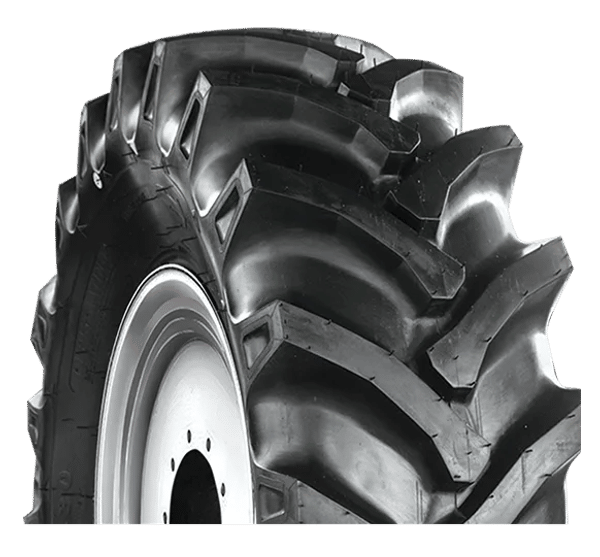
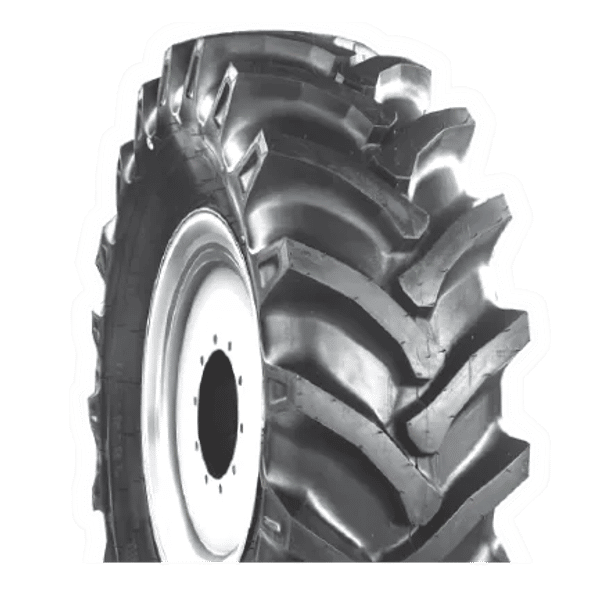
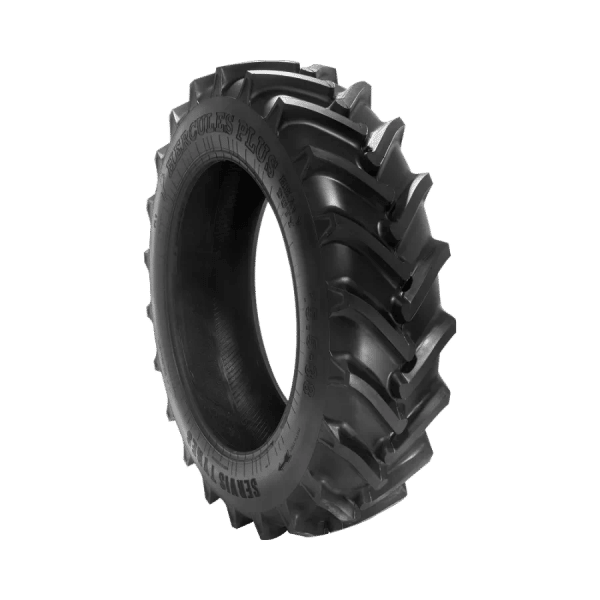
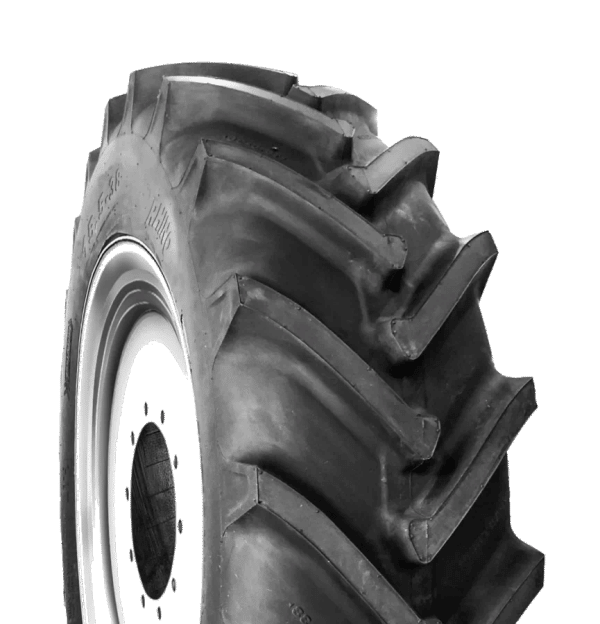
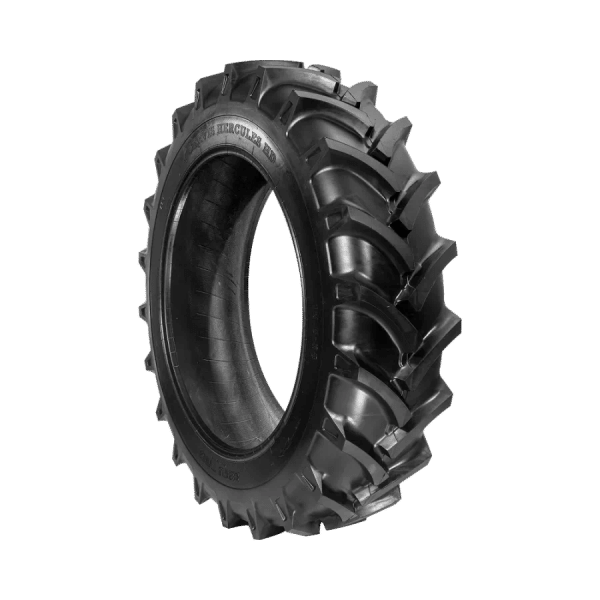
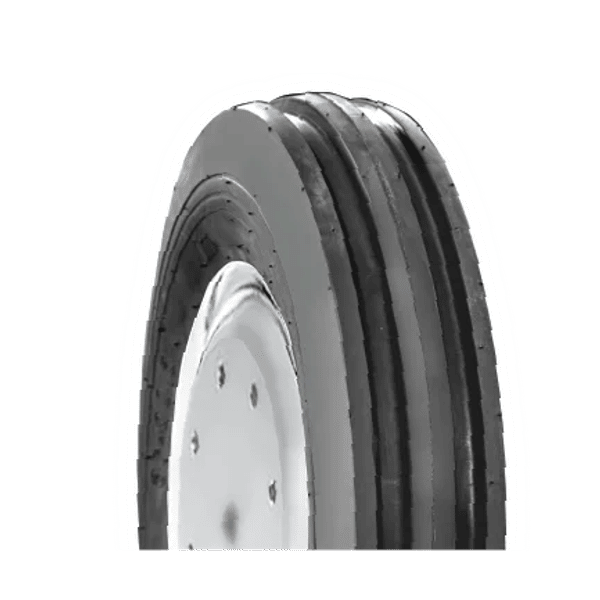
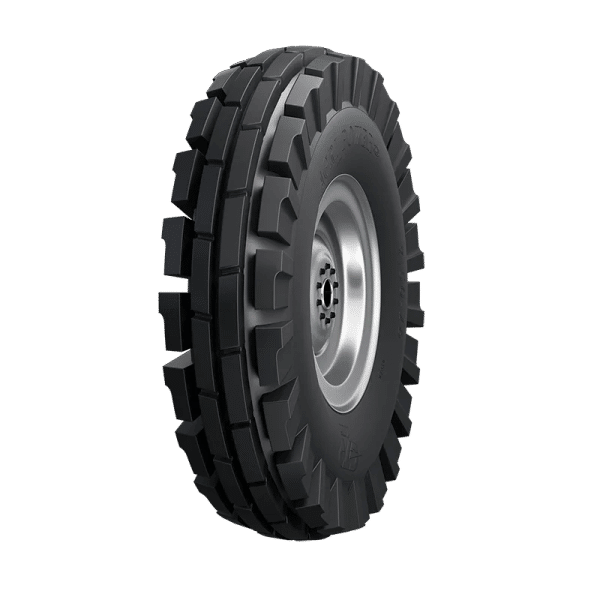
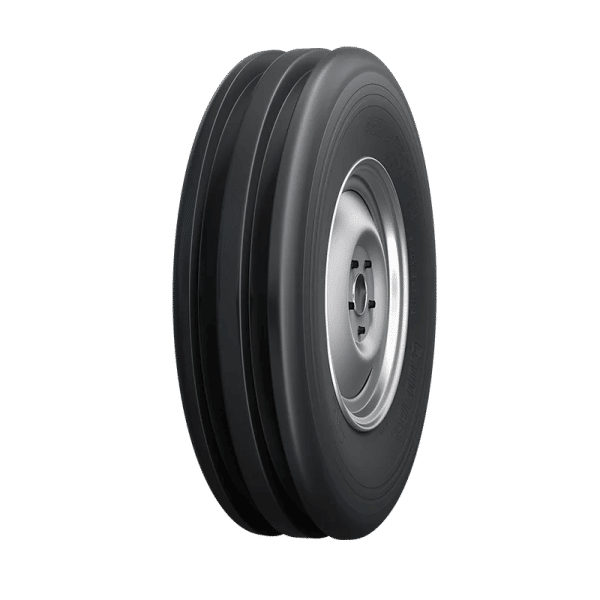
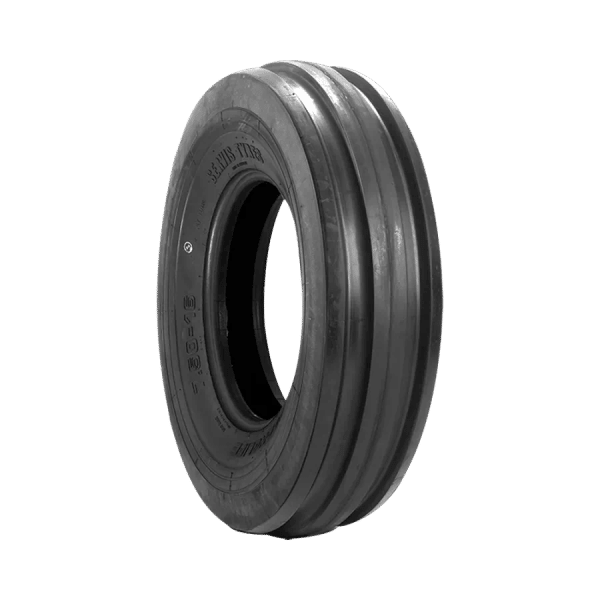
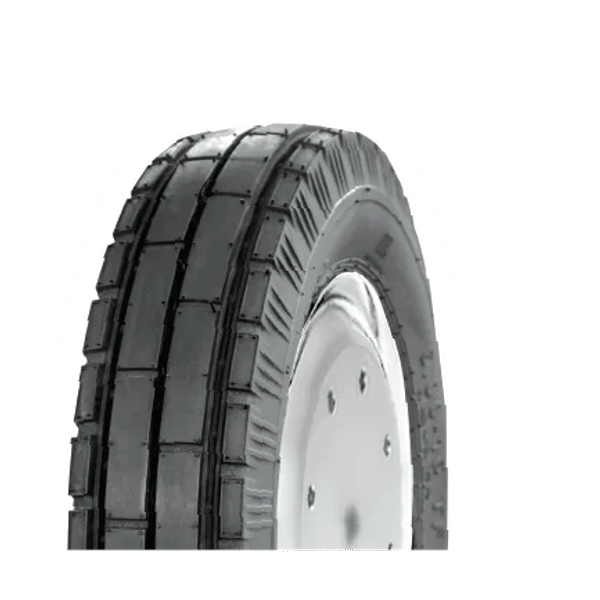
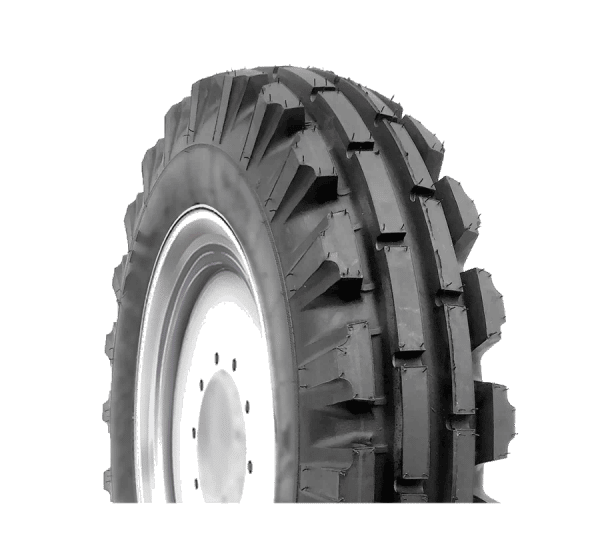
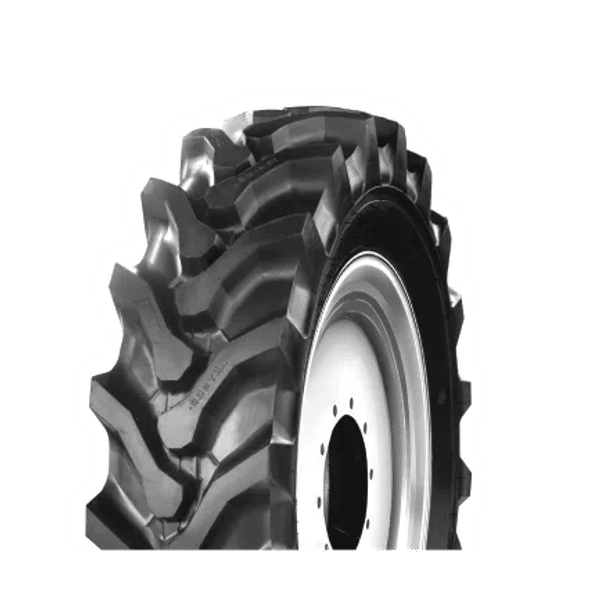
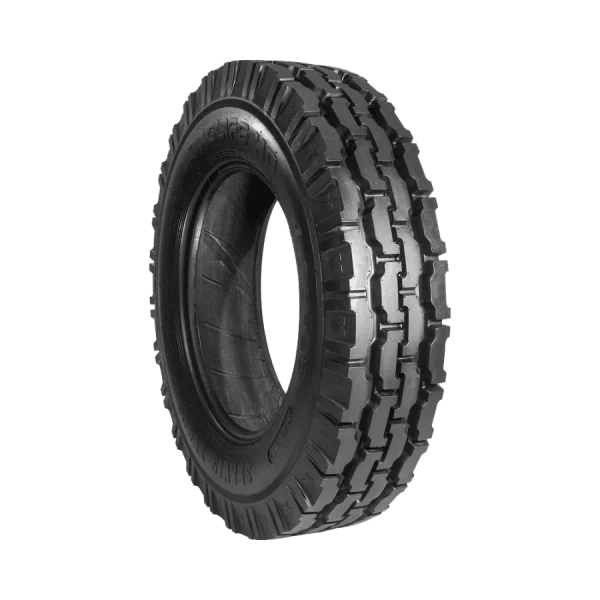
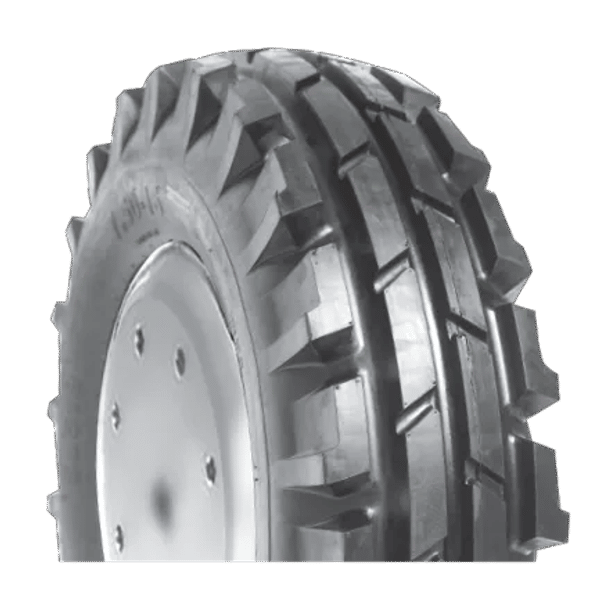
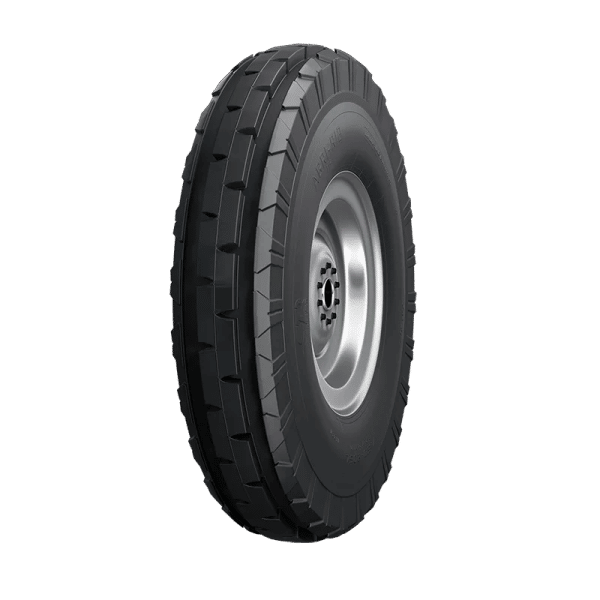
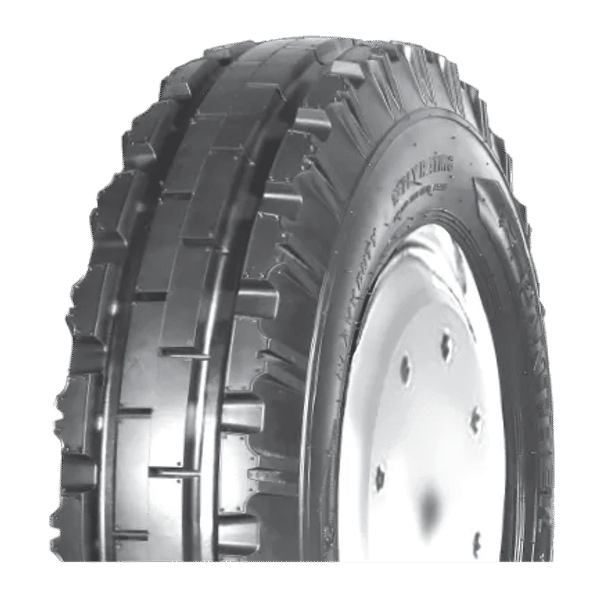
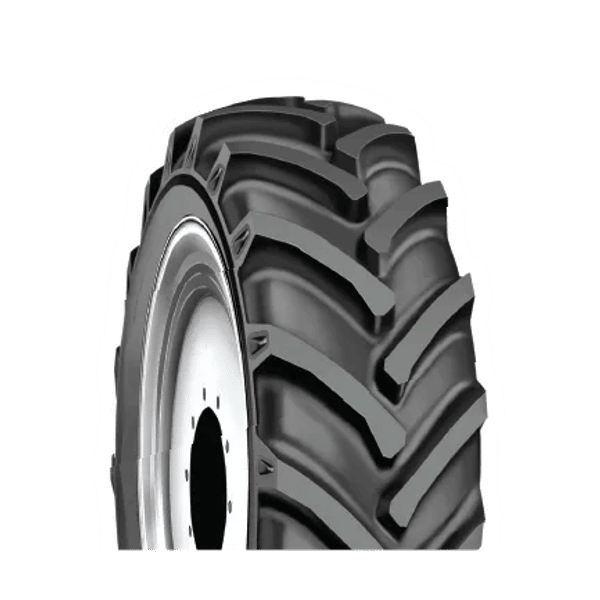
On a two-wheel-drive tractor the small front tyres (6.00-16, 7.50-16) only steer, so they have ribs that grip sideways and resist slipping off line. The large rear tyres (12.4-28 up to 18.4-30) drive the tractor and have deep, angled lugs for traction. Four-wheel-drive tractors such as the MF 385 4WD have driven front tyres with lugs too (12.4-24).
On a combine harvester it is the other way round: the big drive wheels are at the front, under the header, and the smaller steering wheels at the back.
Ply rating: match it to your work
The ply rating (6, 8, 12, 14 ply…) is a measure of how strong the tyre's body is and how much load it can carry. A higher ply rating carries more weight and resists cuts better, which suits heavy trolley haulage on roads and brick kilns. A lower ply rating flexes more, grips better in the field and costs less.
- Field work and light haulage: the standard ply the tractor maker fits is usually enough.
- Heavy trolley work on roads: choose a higher ply rating in the same size.
- Fit the same size, and ideally the same model and ply, on both wheels of an axle.
Make your tyres last longer
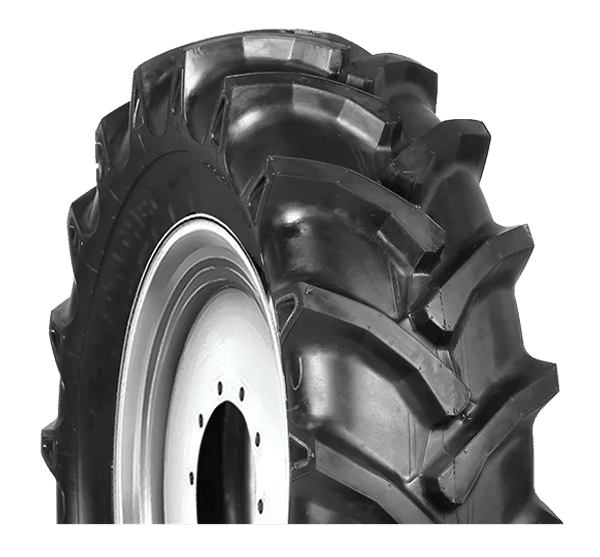
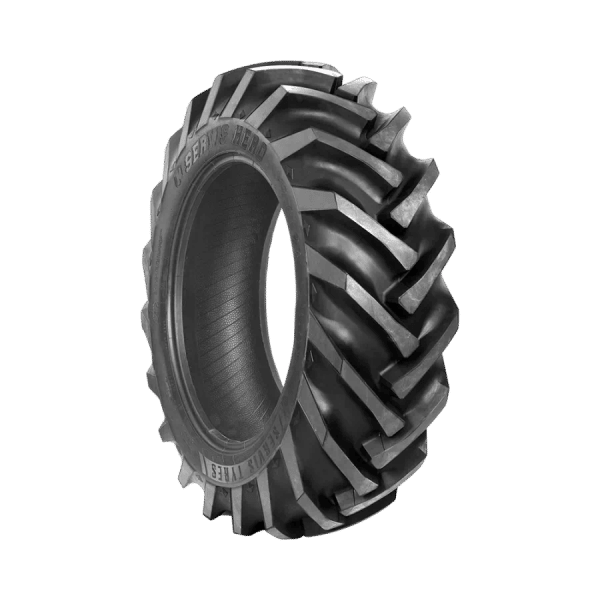
- Fit rear tyres the right way round: seen from above, the V of the lugs should point forward, so the point meets the ground first.
- Keep the pressure your tractor's manual gives. The maximum pressure in our specifications is a limit, not the pressure to run at. Too low cracks the sidewalls; too high cuts grip and wears the centre of the tread.
- Fast road driving wears lugs much faster than field work. Avoid spinning the wheels on hard ground.
- Wash off diesel, oil and fertiliser, and park out of strong sun when you can: they all age rubber.
- Replace a tyre when the lugs are worn close to the base, or there are deep cuts, cracks or bulges in the sidewall. Fit a new tube of the matching size with a new tyre.